
US-ISRAEL STRIKES ON IRAN SPARK REGIONAL CRISIS, TENSIONS ESCALATE
By: Safiya Abdulrahim Dabban
Tensions in the Middle East have sharply intensified following coordinated military strikes by the United States and Israel on Iranian territory, triggering swift retaliation and emergency diplomatic moves.
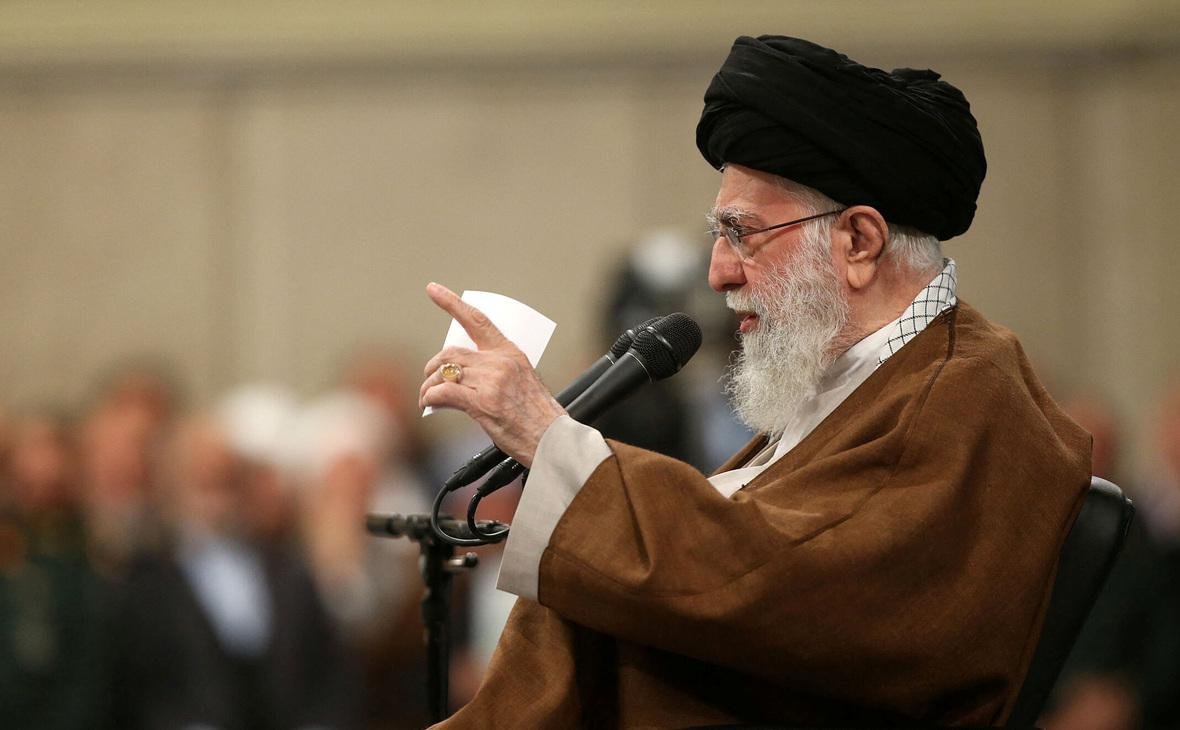
Iran’s Interior Ministry confirmed the establishment of a national crisis management headquarters as the country shifts into emergency mode. Reports from Al-Mayadeen say Iran’s Supreme Leader, Ali Khamenei, is overseeing military operations from an operational command center.
Iran’s Foreign Ministry accused the United States and Israel of attacking both military and civilian sites, describing the strikes as a gross violation of Iran’s sovereignty and territorial integrity. In response, the Islamic Revolutionary Guard Corps said Iran carried out strikes on 14 US military bases spread across eight countries in the region, marking a significant escalation.
The situation has further worsened with the reported closure of the Strait of Hormuz by IRGC forces, a move that could disrupt global oil supplies. Meanwhile, the Israeli military announced the start of a new wave of strikes on Iranian targets, signaling that the confrontation is far from over.
At the diplomatic level, the United Nations Security Council is set to hold an emergency meeting on Saturday to address the crisis. Russia has also reacted, with Sergey Lavrov condemning what he described as an unprovoked US-Israel attack during a call with Iran’s foreign minister.
Adding to the gravity of the situation, reports indicate that close relatives of Ayatollah Khamenei, including his son-in-law and daughter-in-law, were killed during the escalation.
As military actions widen and diplomatic efforts race against time, fears are growing that the conflict could spiral into a broader regional war.
hello world
hello world